Wautoma Storm Damage Guide: When to Call for Roof Repairs vs. Roof Replacements
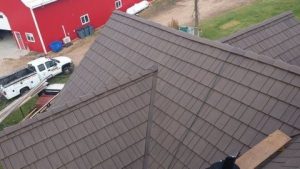
After a fast-moving Central Wisconsin storm, it is normal to wonder if your home needs simple roof repairs or a full roof replacement. This quick guide explains how to tell the difference, what a pro will look for during roof inspections, and how Wautoma weather patterns affect your choices. If your roof is older or leaks have started, learn what a replacement involves on our page about roof replacements in Wautoma.
How Storms Typically Damage Roofs In Wautoma
Weather in Waushara County swings hard. Spring hail can bruise shingles, summer winds can lift edges, and heavy winter snow followed by a quick thaw can force meltwater under tabs. Around Silver Lake, Redgranite, Wild Rose, and Neshkoro, trees near homes also mean fallen limbs after strong gusts.
Hail does not need to crack a shingle to create a problem. A solid hit can crush the protective granules and bruise the mat below. Over time that spot becomes brittle and leaks. Wind can crease shingles, pop nails, or break the seal strip so shingles flap with the next storm.
Roof Repairs Or Roof Replacements: The Simple Rule Of Thumb
Use this plain rule: fix isolated damage, replace widespread or aging damage. A licensed roofer will measure total affected area, check how many shingles are compromised, and determine if the roof can be restored to a uniform, watertight condition.
- Choose repairs when damage is limited to a small section, materials match easily, and the roof is still young with strong seals.
- Choose replacement when damage is across multiple slopes, shingles are creased or missing in clusters, or the roof is nearing the end of its expected life.
Do not ignore active leaks after a storm. Water travels along rafters and shows up in surprising places, so a small ceiling stain may point to a much larger problem above.
What A Professional Roof Inspection Checks After A Storm
A careful inspection looks beyond the obvious. Your roofer will move methodically from the ground to the eaves and roof surface, then to vents and flashings, and finally the attic. The goal is to confirm whether repairs will hold or if the system has failed.
- Shingle surface: hail bruises, missing granules, torn tabs, creases from wind uplift, and exposed fiberglass mats
- Edges and ridges: broken ridge caps, loose starter rows, and lifted seal strips
- Flashings: chimney, wall step flashing, and pipe boots that may have bent or separated
- Gutters and downspouts: heavy granule shed that signals widespread wear
- Attic: wet insulation, nail rust, darkened sheathing, and daylight at fastener holes
Schedule a professional roof inspection if you find piles of granules in gutters after hail. That is a sign of asphalt shingle bruising common in Central Wisconsin storms.
Signs You Can Usually Repair
Repairs tend to be the right call when the roof is otherwise healthy and the storm targeted one small area. Examples include a few missing shingles on the leeward side, a lifted vent boot, or localized damage from small debris.
Creased shingles limited to a single slope may be replaced one by one if matching materials are available. A bent piece of flashing can be reset and sealed. Minor impact marks that have not broken the mat and do not cluster can be monitored after sealing nearby fasteners.
Signs Pointing To A Full Roof Replacement
At some point, patching becomes a bandage that does not last through the next Waushara County wind event. Consider a replacement when you see these patterns:
Multiple slopes show damage. When hail or straight-line winds mark two or more sides, the roof’s protective layer is uniformly compromised. Replacing sections will leave weak spots and color mismatch.
Large clusters of bruises or dents repeat across the field of shingles. Broken seal strips and shingle edges that lift by hand indicate wide adhesion failure. Interior clues like recurring ceiling stains, musty attic odors, or daylight at sheathing seams confirm the roof system is failing as a whole.
If your home is due for an update, review materials and process on our detailed page for Wautoma roof replacements.
Why Wautoma Weather Affects The Decision
Local climate details matter. In late spring and summer, hail in the I-39 corridor can be large enough to bruise mats without obvious cracks. In winter, heavy snow followed by a thaw can create ice along eaves. These cycles stress older shingles and shorten the window where repairs remain reliable.
Homes near open fields around Hancock and Plainfield take more direct wind, which can break lacquered bonds on older shingles. Roofs shaded by tall pines near lakes hold snow longer, which increases freeze-thaw stress. A trusted local roofer weighs all of that during roof inspections.
Repair And Replacement Timeline: What To Expect
Emergency Stabilization
If your roof is open to weather, a contractor may secure temporary protection. That could include safe, short-term covering to keep water out until permanent work begins. Never attempt your own emergency covering after a storm. The surface is slick, and damage is easy to miss from above.
Assessment And Documentation
Your roofer will take photos of hail hits, wind creases, and any fallen tree limb impact points. Well-organized documentation helps you talk with your insurance provider about next steps. If a full replacement is recommended, expect a discussion about shingle options suited to Central Wisconsin conditions.
Scheduling And Build
Repairs can often be scheduled quickly when materials match. Replacements take longer and vary by season and home complexity. Crews will protect landscaping, remove old materials, inspect decking, then install the new system with proper underlayment, flashing, and ventilation.
Asphalt Shingles And Hail: Understanding “Bruising”
Asphalt shingle bruising looks like a dark or soft spot where granules are crushed and the mat underneath is indented. The surface may feel spongy at first, then harden and fracture with heat and cold. Over time that spot can crack and let water in, even if the roof looked fine the week after the storm.
Because bruises are scattered, a pro compares sample test squares on each slope to estimate the true extent. When bruises exceed a reasonable count in multiple squares, repairs lose value and a replacement becomes the long-term fix.
Call as soon as you notice new interior water stains. Quick action reduces secondary damage to insulation and drywall.
Wind Damage Across Waushara County
Wind storms move fast through Wautoma, Coloma, and Berlin. Uplift breaks seals first, then nails loosen, then tabs tear. The result is a patchwork of weak points. If shingles lift with gentle hand pressure across several areas, the system is beyond a quick patch.
After a strong front, walk your home’s exterior from the ground. Look for yard debris, shingle scraps, and damage on the windward side of chimneys and dormers. If you see consistent creasing, call a roofer to inspect the entire plane, not just the obvious tear-outs.
Insurance Considerations Without The Headache
No homeowner likes the paperwork. Still, clear photos and a straightforward report from a reputable contractor make conversations easier. Ask for a written summary that covers locations of damage, test-square counts, and whether repairs or replacement are advised. That summary supports your claim without guesswork.
It also helps to keep a simple storm file. Save weather dates, notes about when you first saw a ceiling stain, and any emails. The more organized you are, the faster decisions move along.