Wisconsin Ice Dam Prevention: Attic Insulation and Ventilation Rules for Cold Climates
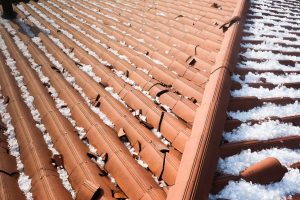
Hail damage
Wisconsin winters push roofs to their limits. The temperature often swings from single digits to the mid-30s, then back down again. Those thaw-freeze cycles melt rooftop snow during the day and refreeze it at night, which is the recipe for ice dams. This guide explains the science behind ice dams and how a balanced attic system, right R-values, and well-planned snow retention systems help protect your home, gutters, and walkways.
At Goody’s Roofing Contractors, Inc., we focus on the whole roof system. A cold roof deck, warm living space, and steady airflow work together to keep snow from melting too soon. When needed, strategic snow guards add one more layer of defense by holding snow in place so it can melt safely in smaller amounts.
Why Ice Dams Form In Wisconsin Winters
Ice dams happen when heat escapes from the house and warms the roof deck under the snow. The bottom layer of snow melts and runs down toward the eaves, where the roof is colder. Water refreezes at the edge and builds a ridge of ice that traps more meltwater. That backed-up water can creep under shingles and drip into the attic or walls.
Our state’s lake-effect weather and inland cold snaps increase the risk. Even small warm spots from light fixtures, bath fans, or ductwork can create melt paths. Over time, repeated cycles carve channels that refreeze at the gutters, forming heavy icicles and ice shelves that stress fascia and downspouts.
The Role Of Attic Insulation: R-Values That Work In Cold Climates
Attic insulation is your heat shield. The goal is simple: reduce heat loss from living areas into the attic so the roof deck stays as close to outdoor temperature as possible. In cold climates like Wisconsin, higher R-values slow heat flow enough to prevent widespread mid-roof thawing that feeds ice dams.
Uniform coverage matters more than a huge R-value in one spot. Gaps around attic hatches, can lights, and knee walls create hot zones that can start an ice dam even if most of the attic is well insulated. Professional installers use baffles at the eaves to keep ventilation channels open and to prevent insulation from blocking soffit inlets.
Dense, well-fitted insulation around penetrations helps reduce warm air leaks. Sealing and insulating work together. When a crew upgrades insulation, they also address obvious air leaks at top plates, flues, and chases to stop convective heat from pumping into the attic.
Balanced Ventilation: Ridge And Soffit Airflow That Keeps Roofs Cold
Attic ventilation is the engine that sweeps out stray heat and moisture. Balanced systems pull cool air in through soffit vents and release warmer air at the ridge, keeping the roof deck temperature even from eave to peak. That steady exchange helps prevent the mid-slope melting that triggers dams at the gutters.
In practice, this means continuous soffit intake paired with a continuous ridge outlet. Short-circuiting can happen if gable vents or power fans disrupt the natural flow. A pro assessment checks net free area, baffle placement, and vent compatibility so the system breathes in a controlled, even pattern across the entire roof.
Keep the roof deck cold, keep the living space warm. That sentence sums up the entire strategy. The right combination of insulation and ventilation supports both goals without working at cross-purposes.
Snow Retention Systems: Guarding Gutters And Walkways
Even with excellent insulation and ventilation, large storms can drop heavy snow that slides all at once when sun or attic warmth loosens the bond. That sudden release can damage gutters and dump snow onto steps, decks, or sidewalks. Purpose-built snow retention systems spread the load and hold snow in place so it settles and melts gradually.
On metal roofs, snow often behaves like a sheet and can slide in a single event. Snow guards or continuous rails are positioned in rows to interrupt movement. On asphalt shingles, properly engineered pad-style guards may be used at targeted areas like above lower roofs and over walkways, depending on the system design and the roof’s age and condition.
Snow guards must be engineered for the roofing material and snow load. Placement, spacing, and attachment methods vary by panel profile, fastener type, and roof pitch. A qualified roofer sizes the layout to the roof geometry and expected winter conditions to reduce the chance of pullout or point loads on fasteners.
Local callout: Rapid warm-ups after subzero nights can trigger roof avalanches even on small gables. Never chip ice directly off shingles or pry under courses. Let a pro evaluate the cause so repairs protect your watertight warranty.
Thermal Dynamics In Plain Language
Think of your roof like a giant ski hill. If the snowpack on the slope warms unevenly from below, gravity wins and the snow moves. The attic’s job is to prevent that uneven warming. Insulation slows conductive heat flow from rooms, while ventilation removes the small amount of heat and moisture that still slips through.
Moisture matters, too. Indoor humidity that leaks into the attic can condense on cold sheathing. Over time, wet wood loses insulating value and encourages melt patterns. A balanced system keeps air dry and temperatures steady so the snowpack stays stable and predictable.
Professional Installation Notes On Strategic Snow Guard Placement
Snow guards are not one-size-fits-all. Pros evaluate roof planes, valleys, dormers, and eave lengths to determine where momentum builds. They protect high-risk zones like above entry steps, garage doors, lower roofs, skylights, and HVAC vents. On long eaves, multiple staggered rows distribute force across the structure rather than concentrating it at one line.
Attachment is critical. On metal panels, clamp-to-seam systems avoid penetrating the roof skin when compatible, while mechanically fastened pads require sealant and precise torque. On shingle roofs, adhesive-bonded pads must be installed in the manufacturer’s temperature window and allowed to cure for the recommended time before snowfall. The goal is to create a network that resists shear without compromising the roof’s weatherproof layers.
For homes with complex footprints, snow retention integrates with overall roof planning. Valley diverters, cricket design near chimneys, and reinforced gutters all play supporting roles. When a crew maps the roof, they consider how drifting and prevailing winds stack snow on certain exposures, then they size the system accordingly.
What A Pro Looks For During An Ice Dam Risk Assessment
When Goody’s Roofing Contractors, Inc. evaluates a roof, the technician reviews both the exterior and attic. Outside, they look for wavy melt lines, icicle scars, and deformed gutters. Inside the attic, they check for bare sheathing spots, blocked soffit bays, and damp insulation. Thermal imaging can spot hot zones that fuel meltwater even on cloudy days.
- Attic conditions: continuous ventilation channels, dry sheathing, uniform insulation depth
- Roof conditions: clear ridge vent path, intact underlayment, sound flashing, strong gutters
- Snow load patterns: drifting on north and west slopes, accumulation above lower roofs
Findings lead to a prioritized plan. Often that plan starts with sealing attic bypasses, tuning the ventilation balance, then addressing insulation gaps. Where sliding snow is a hazard, the plan includes a layout for snow guards that match the roof material and style.
Wisconsin Weather Reality And Seasonal Maintenance
From the Northwoods to the Driftless Area, winter brings wind, drifting, and wide temperature swings. Lake-influenced humidity near the shore can make refreezing more intense at the eaves, while inland valleys funnel cold air that keeps gutter lines frosty. Those conditions raise the stakes for a roof system that stays cold on top and warm underneath.
Seasonal checks help. In late fall, a roof specialist confirms clear soffit vents, ridge outlets, and baffles. They also verify that bath fans vent outdoors and not into the attic airspace. After the first major snowfall, exterior signs like long icicles at only one section of eave can point to a localized air leak or insulation thin spot.
Never use rock salt on a roof. It can stain, corrode metal, and harm landscaping below. Chemical shortcuts tend to shift the problem instead of solving the root cause, which is heat loss and unbalanced airflow.
How Insulation And Ventilation Work With Underlayment And Gutters
Underlayment is the last line of defense. High-performance ice and water protection at eaves, valleys, and penetrations buys time if a midwinter melt pushes water back under the shingles. It does not replace the need for insulation and ventilation. Instead, it completes the system so small mistakes do not become interior leaks.
Gutters deserve attention, too. Strong, well-supported gutters and downspouts help manage normal meltwater without sagging. Snow retention reduces big slides that can rip gutters away. When all parts work together, your roof sheds moisture in a slow, predictable way that protects trim, siding, and foundations.
When To Involve A Roofer
Call a professional at the first sign of ceiling stains near exterior walls, unusual attic frost, or persistent icicles over one section of gutter. Early action can prevent soaked insulation, damaged drywall, and hidden sheathing decay. A roofer will recommend a staged plan so improvements build on each other and protect manufacturer warranties.
- Document recent weather patterns and where icicles formed
- Note rooms below the problem area that may be leaking heat
- Ask about insulation coverage, ventilation balance, and snow retention placement
If your home has steep metal panels over entries or decks, be proactive. A tailored pattern of guards or rails can protect high-traffic areas and prevent sudden slides. Integrating that plan with attic improvements gives you layered protection for the long term.
Your Next Steps For Reliable Ice Dam Prevention
Start with a whole-roof evaluation. Confirm that insulation is uniform, ventilation is balanced, and underlayment is protecting critical edges. Where heavy snow slides threaten gutters or walkways, add a professionally designed pattern of guards from our snow retention systems page so meltwater drains in safe, controlled amounts.
You can learn more about our approach to ice dam prevention in Wisconsin and how Goody’s Roofing Contractors, Inc. builds durable, weather-smart roof systems that stand up to Midwest winters. We align attic performance with surface protection so each component supports the others.
Call Goody’s Roofing Contractors, Inc. for ice dam prevention in Wisconsin at 920-787-7458. Our team will inspect, measure, and design a solution that matches your roof, your neighborhood weather, and your peace of mind.
Important: If you notice active leaking, place a bucket under the drip and contact us right away. We will address the source so your roof returns to a stable, predictable state without recurring midwinter surprises.