Wind-Resistant Asphalt Shingles: Protecting Your Montello Home from Summer Storms
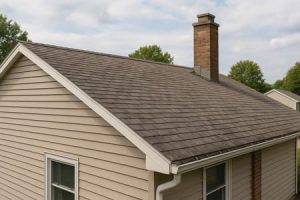
Summer in Montello, WI brings quick-building thunderstorms, lake-breeze shifts, and strong outflow winds rolling off Buffalo Lake and along the Fox River. Those gusts test every roof line. The right wind-resistant asphalt shingles, installed with the correct nail pattern, help your home ride out rough weather and prevent costly shingle blow-offs.
If you are comparing options, start with durable, fiberglass-reinforced, architectural shingles and a system built for wind. See how the system comes together on our asphalt roofing shingles page, then speak with Goody’s Roofing Contractors, Inc. for a roof that stands up to Central Wisconsin’s storm season.
Why Summer Winds Strain Roofs In Montello
Homes near open water and river corridors often feel stronger peak gusts. Along Buffalo Lake’s shoreline and through the Fox River valley, wind can channel between tree lines and over open fields, hitting eaves and rakes at angles that pry at shingle edges. Outflow from fast-moving thunderstorms can also flip wind direction in seconds, lifting tabs that are not well sealed.
These patterns speed up wear if the roof uses lighter three-tab shingles, short nails, or high nailing. Over time, the sealant line gets dirty, shingles struggle to bond, and edges flutter. That is when blow-offs start, especially at eaves, rakes, ridges, and around dormers that catch crosswinds.
What Makes A Shingle Wind-Resistant
Several design features work together to resist wind. Architectural shingles built on a fiberglass mat are heavier and stiffer than basic three-tab styles, so they deflect gusts better and protect against pull-through at the nail heads. Many premium lines include wider nailing zones for accuracy and stronger sealant strips that activate with sun-warmth to lock courses together.
- fiberglass-reinforced architectural shingles add strength and reduce edge flutter
- a wide, clearly marked nailing zone improves accuracy and holding power
- starter shingles at eaves and rakes help seal the windward edges
- hip and ridge caps shaped for wind shed reduce uplift at high points
- wind-resistance ratings on product data sheets, such as ASTM D7158 or D3161, guide selection
When these parts work as a system, uplift forces are shared across the deck. The key is pairing the right product with correct installation, especially where Montello gusts hit hardest.
The Power Of A Proper Nailing Pattern
The fastest way to boost wind performance is the nail pattern. A multi-nail method, commonly a six-nail pattern placed in the manufacturer’s nailing zone, increases the number of fasteners holding each shingle and improves pull-through resistance. It also helps keep the shingle pressed into the sealant strip so the bond forms cleanly in warm weather.
Correct placement matters more than anything. Nails driven too high miss the double-layer zone and reduce holding power. Nails driven too low can be exposed and invite leaks. Ring-shank roofing nails of the right length for your deck thickness bite better and are less likely to back out under vibration. Ask your roofer to document the pattern on your project and show you a sample course before installation. **Use a six-nail pattern on every shingle** to help prevent shingle blow-off in storm bursts.
How Local Wind Channels Speed Up Wear
In neighborhoods with long wind fetch across open water, like stretches along Buffalo Lake, daytime breezes can build into steady afternoon winds. Then a passing line of storms stacks a strong outflow on top. Roof edges that face west or southwest often see the highest uplift as gusts race across the water and up the roof plane. Homes nearer the Fox River corridor can experience similar channeling that concentrates wind at the rakes and ridge, especially when fields are freshly cut and offer less friction.
This is why matching product and technique to the site is crucial. Heavier shingles, accurate six-nailing, sealed starters up the rakes, and well-fastened ridge caps provide layered defense for Marquette County homes.
Safety first: **Never climb on a wet or storm-damaged roof.** Wind can loosen shingles you cannot see from the ground. Keep people and pets away from areas where fragments have fallen and call Goody’s Roofing Contractors, Inc. for a safe, professional inspection.
Step-By-Step: Check Your Yard After A Wind Event
You can spot early signs of wind damage from the ground. This helps you decide when to call a roofer without taking risks.
- Walk the perimeter and look for shingle granules piling up at downspouts, on decks, or along splash blocks. Excess granules after a single storm can signal sealant shear or edge scuffing.
- Scan for torn tabs or shingle pieces in flower beds and around fences. Note where they landed. Pieces near eaves and rakes often trace back to uplift at those edges.
- Stand back and sight along the roof plane. Look for corners that appear lifted or shadow lines that do not match surrounding shingles.
- Check for shiny spots on the ground or in gutters that look like exposed nail heads or washers. That can indicate displacement above.
- Look inside the attic with a flashlight. If you see daylight at the ridge or along rakes, or smell damp air after the storm, call right away.
If you find any of these, contact a trusted roofing contractor in Marquette County. **Schedule a professional inspection after severe winds** so minor issues do not grow into leaks with the next storm.
System Details That Improve Wind Resistance
Shingle choice is important, but the full system is what wins against gusts in Montello, WI. Consider these parts during your estimate review:
- starter shingles at eaves and up the rakes to lock edges that face prevailing winds
- ice and water protection at eaves and valleys to guard against wind-driven rain
- synthetic underlayment installed with properly secured seams to provide a secondary layer of protection against wind-driven rain
- properly fastened drip edge flashing to help protect roof edges from water intrusion and wind damage
- manufacturer-approved fastening patterns that match the shingle type, roof slope, and local building requirements
- hip and ridge cap shingles designed and installed to resist uplift along exposed roof peaks
- proper attic ventilation to help manage heat and moisture beneath the roof deck
Each component supports the overall performance of your roofing system. Even high-quality shingles can fail prematurely when starter strips are missing, flashing is loose, or fasteners are placed incorrectly. A professional installation brings these details together to help your roof withstand Central Wisconsin’s changing weather.
Choosing The Right Wind-Resistant Shingles For Your Home
Not every asphalt shingle provides the same level of wind protection. When comparing products, look beyond color and appearance. Check the manufacturer’s wind-resistance classification, installation requirements, and warranty conditions. Architectural asphalt shingles are a popular choice because they offer dimensional styling and are available with enhanced wind-resistant features.
Two common testing standards are ASTM D7158 and ASTM D3161. These standards evaluate wind resistance using different testing methods. Higher classifications can help homeowners compare products, but ratings should not be interpreted as guarantees against damage during every storm.
For Montello homeowners, the best choice depends on the roof’s pitch, exposure to open areas, surrounding trees, and the condition of the existing roof deck. Goody’s Roofing Contractors, Inc. can help review these factors and explain which shingle options make sense for your property.
Signs Your Current Shingles May Not Be Ready For Another Storm
Wind damage is not always obvious. A roof may look intact from the driveway while individual shingles have weakened seals, loose edges, or damaged fastening points. Recognizing early warning signs can help you address problems before another round of summer thunderstorms.
- Lifted or curling edges: Shingles that no longer lie flat may be more vulnerable to wind uplift.
- Missing shingles: Bare spots can expose underlayment and increase the risk of water intrusion.
- Cracked or torn shingles: Repeated wind movement and aging can weaken the protective surface.
- Loose ridge caps: Shingles along roof peaks can experience concentrated wind pressure.
- Exposed nail heads: Improperly secured or displaced shingles may leave fasteners vulnerable to moisture.
- Interior water stains: Discoloration on ceilings or walls can indicate a roof leak that requires investigation.
If you notice these issues after a storm, avoid attempting repairs from a ladder or climbing onto the roof. A professional inspection can determine whether targeted repairs are appropriate or whether more extensive roofing work is necessary.
Can Wind-Damaged Asphalt Shingles Be Repaired?
Not every wind-damaged roof requires a complete replacement. If damage is limited to a small area and the surrounding shingles remain in good condition, replacing affected shingles and correcting related flashing issues may be enough.
However, repairs become more complicated when shingles are brittle, widespread sealant failure is present, or multiple roof sections show signs of deterioration. Older shingles may also be difficult to match or remove without damaging adjacent materials.
A qualified roofing contractor can evaluate the extent of the damage, inspect the roof deck where accessible, and explain the available options. The goal is to address the underlying problem rather than simply covering up visible damage.
When Should Montello Homeowners Consider Roof Replacement?
Replacing a roof before widespread failure can provide an opportunity to upgrade its wind resistance. If your roof has repeated blow-offs, extensive granule loss, aging shingles, or persistent leaks, it may be time to compare replacement options.
A roof replacement also allows the contractor to inspect the decking, address damaged areas, improve flashing details, and install a complete roofing system with compatible components. This is especially valuable for homes in exposed locations around Buffalo Lake, the Fox River, and surrounding Marquette County communities.
When reviewing an estimate, ask which shingles will be installed, what fastening pattern the manufacturer requires, and whether the proposed roofing system qualifies for the stated wind warranty. These details help you make an informed decision about long-term protection.
Preparing Your Roof Before Summer Storm Season
A little preparation can help reduce avoidable roofing problems when storms move through Central Wisconsin. Homeowners should focus on routine maintenance and identifying concerns early rather than waiting for visible damage.
- Schedule a roof inspection: Have a professional check shingles, flashing, ridge caps, and vulnerable roof edges.
- Keep gutters clear: Remove leaves and debris so heavy rainfall can drain away from the roof properly.
- Address overhanging branches: Hire a qualified tree professional to evaluate limbs that could strike the roof during high winds.
- Repair existing damage: Loose flashing, missing shingles, and damaged seals should be evaluated before the next storm.
- Review your roof’s condition: If the shingles are approaching the end of their useful life, discuss replacement options before recurring repairs become more costly.
These steps cannot prevent every type of storm damage, but they can help keep your roofing system in better condition throughout the season.
Frequently Asked Questions About Wind-Resistant Asphalt Shingles
Frequently Asked Questions About Wind-Resistant Asphalt Shingles
Are Architectural Shingles Better For High Winds?
Many architectural shingles offer enhanced wind-resistant designs, including reinforced construction, wider nailing areas, and strong adhesive seals. However, wind performance depends on the specific product and installation. Compare tested wind-resistance classifications rather than assuming every architectural shingle performs better than every three-tab product.
Does Six-Nail Installation Make Asphalt Shingles More Wind-Resistant?
A manufacturer-approved six-nail fastening pattern can improve shingle attachment and may be required for certain enhanced wind warranties. The correct number, placement, and type of fasteners depend on the shingle product, roof slope, and installation requirements. Adding nails in the wrong locations does not provide the same protection.
Can Strong Winds Damage A Newly Installed Roof?
Yes. Even a properly installed roof can experience damage during severe weather, especially from flying debris or unusually strong gusts. New shingles may also require suitable temperatures and time for their adhesive strips to form a proper seal. Following manufacturer installation requirements helps provide the intended level of wind resistance.
Should I Have My Roof Inspected After A Summer Thunderstorm?
If a storm brings damaging winds, hail, falling branches, or visible roofing debris, a professional inspection is a good precaution. Missing shingles, lifted edges, damaged flashing, and interior water stains deserve attention even if you have not noticed an active leak.
Will Wind-Resistant Shingles Prevent All Roof Damage?
No roofing product can guarantee protection against every storm. Wind-resistant shingles are designed and tested to meet particular performance standards, but real-world results depend on installation quality, roof design, weather conditions, maintenance, and the condition of the supporting roof structure.
How Long Do Wind-Resistant Asphalt Shingles Last In Wisconsin?
Service life varies by product, installation quality, ventilation, maintenance, and exposure to weather. Montello roofs experience summer thunderstorms, winter snow, ice, and changing temperatures. Regular inspections and prompt repairs can help identify conditions that might shorten the life of the roofing system.
Protect Your Montello Home With The Right Roofing System
Summer thunderstorms are part of life in Montello, WI, but repeated shingle damage does not have to be. Choosing appropriately rated asphalt shingles, using the correct fastening methods, and paying attention to roof edges and flashing can make a meaningful difference in how your roof performs during strong winds.
Whether you are planning a roof replacement or concerned about damage from a recent storm, Goody’s Roofing Contractors, Inc. can help you evaluate your options. We work with homeowners throughout Montello and surrounding Central Wisconsin communities to identify roofing concerns and recommend practical solutions.
Learn more about our asphalt roofing shingles or contact Goody’s Roofing Contractors, Inc. to schedule a roofing evaluation. Protecting your home starts with understanding your roof’s condition and choosing the right solution for the weather ahead.