How Long Do Asphalt Shingle Roofs Really Last in Central Wisconsin?
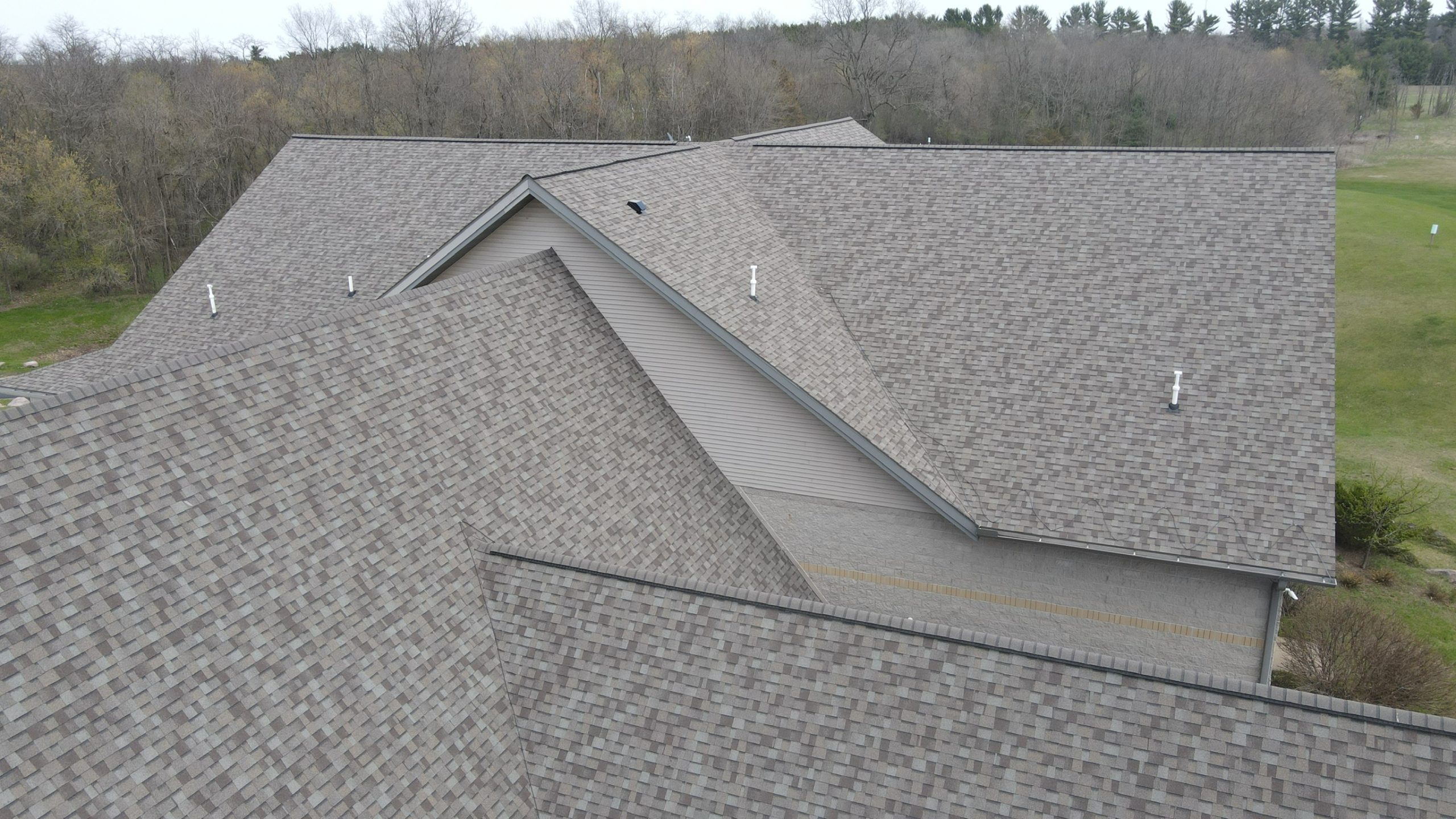
If you live in or around Wautoma, you’ve felt what our roofs face each year: subzero cold, wet spring snow, summer hail, and windy fall storms. So how long do asphalt shingles really last here? The short answer is that most asphalt shingle roofs in Central Wisconsin deliver dependable service for about 18 to 28 years, depending on the shingle grade, installation quality, attic conditions, and the weather a home weathers along Highway 21, Silver Lake, and nearby neighborhoods. For a deeper look at products and options, you can review our asphalt roofing shingles overview as you read.
Below, you’ll learn what affects lifespan in our climate, how to spot aging shingles before leaks show up inside, and when a targeted roof repair makes sense versus planning a full replacement. If you want the big picture on the asphalt shingle roof lifespan in Wautoma, WI and how it applies to your home, this guide keeps it simple and local.
What Is the Typical Asphalt Shingle Roof Lifespan in Central Wisconsin?
In general, three-tab shingles tend to last on the shorter end, while architectural shingles reach the higher end thanks to thicker construction and better wind ratings. In our freeze-thaw climate, properly installed architectural shingles on a well-ventilated roof commonly reach two decades or more, and some exceed that when storms are mild and maintenance is consistent. Poor ventilation, ice dams, and repeated hail can trim years off even a quality system.
Key takeaway: Expect a realistic service life around two decades for most Wautoma homes, then adjust up or down based on the factors below.
Local Factors That Shorten Or Extend Shingle Lifespan
Central Wisconsin isn’t easy on roofs. Here’s what matters most around Wautoma, Mount Morris, Redgranite, and Berlin:
- Snow load and ice dams: Heavy, wet snow followed by a fast freeze can push water under shingles and stress flashing.
- Hail and wind: Summer storms can bruise shingles, loosen seal strips, and accelerate granule loss.
- Sun exposure: South and west slopes bake longer in July, which ages asphalt faster than shaded slopes.
- Attic ventilation: Trapped heat and moisture cook shingles from below and can rot decking over time.
- Installation quality: Nailing patterns, underlayment, and starter/edge details all influence durability.
- Gutter performance: Overflow near eaves keeps edges wet, promoting shingle curl and fascia damage.
Homes near lakes like Silver Lake often see extra moisture and shade, which can foster algae streaking and keep edges damp longer. A well-designed system with reliable gutters and correct airflow usually outlasts the same shingles installed without those basics.
Signs Your Shingles Are Wearing Out In Wautoma
Don’t wait for ceiling stains. These early warnings show up on roofs across Waushara County every year:
- Granules collecting in downspouts or at the bottom of splash blocks after storms
- Edges curling or tabs cupping, especially along eaves and sun-baked slopes
- Bald spots, cracked tabs, or random dark patches exposing asphalt
- Shingles lifting or flapping after high winds, even when nails seem intact
- Shiny or exposed nail heads and tired-looking seal strips at the edges
- Repeated ice dam lines where shingles look rough, wavy, or mismatched
If several of these signs show up at once, it often points to system age rather than a single isolated issue.
Architectural vs. Three-Tab: Which Lasts Longer Here?
Architectural shingles generally handle Central Wisconsin’s mix of wind, snow, and occasional hail better than classic three-tab. They have more mass, stronger sealant zones, and improved wind ratings. Three-tab can still be a fit for certain projects, but they tend to age faster under our UV swings and cold snaps, and they’re more likely to show cupping and blow-off in open areas outside town.
Impact-rated architectural options can be worth considering if your home faces west winds across open fields or sits on a hill with frequent wind gusts. While they’re not invincible, added impact resistance can help reduce storm-related wear across the life of the roof.
How Installation and Attic Conditions Shape Lifespan
Even the best shingle won’t overcome poor details. Correct starter strips, flashing, fastener placement, and properly lapped underlayment help resist wind-lift and water intrusion. Attic ventilation is just as important. Balanced intake and exhaust keep temperatures and humidity in check so shingles don’t bake from below in July or frost from the underside in January.
Pro tip: The eaves and valleys do the heaviest lifting in Wautoma’s winters. Quality underlayment choices at these vulnerable edges are one of the simplest ways to protect the entire roof system over time.
Weather Moments That Matter Most In Central Wisconsin
Early Spring Thaw
Heavy snow that melts across a 40-degree afternoon, then refreezes overnight, stresses edge shingles and gutters along streets like Main Street and WI-21. Repeated cycles wear granules and can lift edges where seal strips have aged.
Summer Hail and Wind
Hail impacts may not punch holes, but they can bruise the mat and dislodge granules. After storm clusters, it’s smart to schedule a professional inspection to verify seal integrity and check for punctured accessories such as vents or pipe boots.
Autumn Leaf Drop
Backed-up gutters keep shingle edges wet and invite ice once temperatures dip. If your home sits under oaks or maples, reliable guards and routine service help keep water where it belongs. When gutters work, shingles last longer.
Roof Repair Or Replacement: How To Decide
Localized damage after a wind gust or a single missing shingle on a newer roof often points to a repair. Widespread granule loss, brittle tabs, or recurring leaks across multiple areas signal end-of-life. For a deeper dive on decision points, this overview of roof repair vs. replacement explains common triggers that tell you it’s smarter to plan a new system.
When your roof is approaching the end of its service life, planning ahead helps. Lead times can tighten during hail season and late fall. If an inspection shows you’re within a few years of replacement, discussing options for roof replacement in Wautoma lets you select materials and timing that fit your goals before winter hits.
Ways To Stretch Shingle Lifespan Without DIY
You don’t need to climb a ladder to make your roof last. The biggest wins come from consistent, professional care and attention to the whole system around your shingles.
Consider these maintenance moves managed by pros:
Seasonal roof and attic checks catch edge wear, flashing stress, and ventilation imbalances before they snowball. Professional gutter service prevents overflow at the eaves, which keeps shingle edges healthier through freeze-thaw season. After significant weather, a qualified inspection documents conditions for your records and helps you decide whether a small repair today could prevent a larger project tomorrow.
If you’re comparing options by shingle brand or style, reviewing product details and installation approach on our asphalt roofing shingles page can help you match durability features to the way weather hits your specific lot and roof shape.
What Shortens Lifespan The Fastest Around Wautoma
From lake-effect moisture to wide-open wind, certain patterns show up again and again in Waushara County. Keep an eye on these roof stressors so you can address them early with a pro:
- Chronic ice dams: Usually tied to heat loss at the eaves and poor airflow. They wear out edges and can push water where it shouldn’t go.
- Repeated high-wind exposure: Open properties along fields see more seal strip fatigue and edge lift than sheltered lots.
- Standing water at valleys: Debris and shade keep surfaces damp and speed up aging.
- Poor attic ventilation: Heat and humidity trapped under the deck accelerate shingle aging year-round.
Addressing those system weak points with a qualified roofer often adds years to a roof’s usable life while improving comfort inside the home.
When To Schedule An Inspection
Timing matters. Late summer is a great window to prepare for winter, and early spring helps confirm how the system handled snow and ice. Plan an assessment sooner if you notice multiple warning signs, shingles on the lawn after wind, or if your roof was installed 18 to 22 years ago and hasn’t had a recent professional look. Homes in shaded pockets near the pines around Mount Morris benefit from checks a bit more often due to slower drying conditions.
During an inspection, a qualified roofer documents aging patterns, tests shingle adhesion on different slopes, and evaluates ventilation and gutter performance. You’ll get clear next steps, whether that’s a small repair, closer monitoring, or planning a future replacement.
Your Next Step For A Straight Answer
If you’re weighing repair against replacement and want a local, weather-savvy opinion, Goody’s Roofing Contractors is ready to help. We’ll review your roof, attic, and drainage as one system so you get an honest estimate of remaining life, not guesswork. For material details and installation approach, start with a quick look at our page on asphalt shingle roofing in Wautoma, then schedule a visit.
Bottom line: With the right shingle, pro installation, balanced ventilation, and steady care, most Wautoma asphalt shingle roofs serve reliably for decades. When it’s time to talk options, call 920-787-7458 or reach out online. If an inspection suggests that planning makes more sense than patching, we’ll map a clear path forward and handle the details.